BrainyBar 2026: Navigating the loyalty trap
3rd June 2026
Walnut Part of Accenture Song
The tension at the heart of loyalty
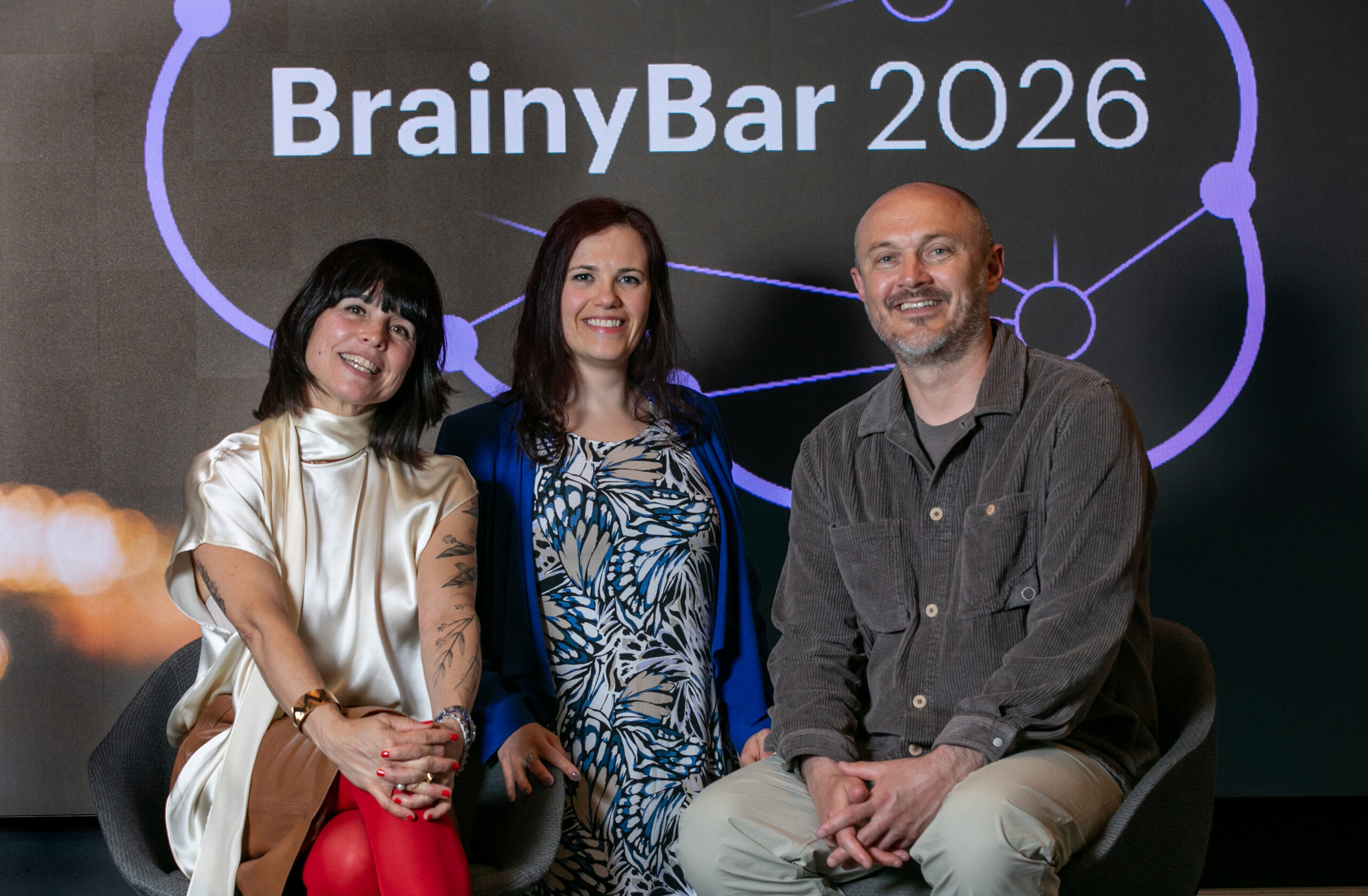
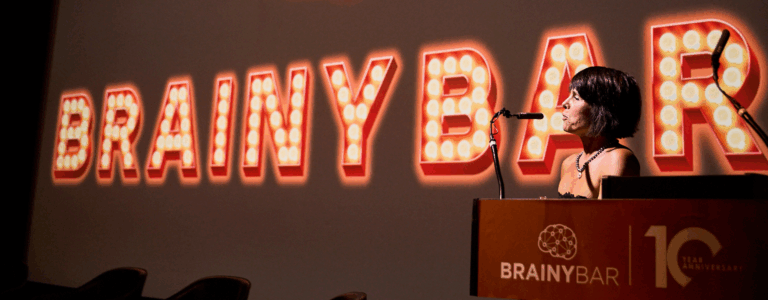
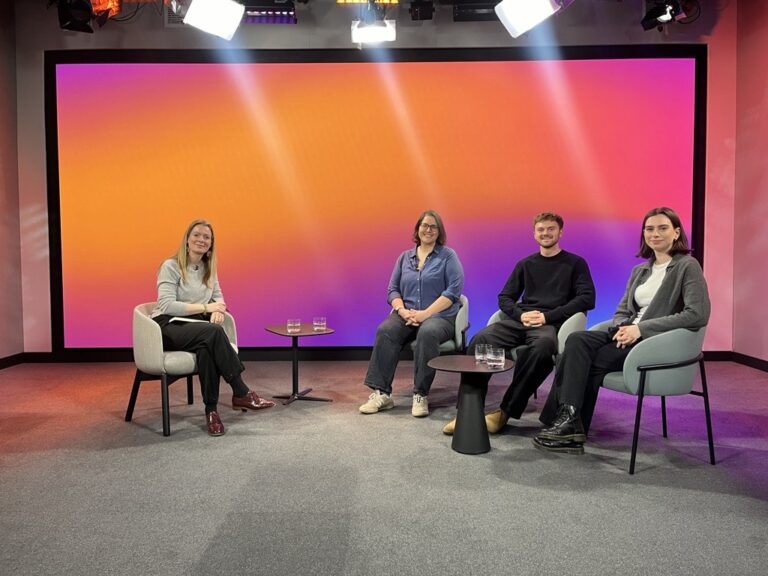
Two thirds of loyalty programmes fail to deliver value. That’s the stat that Accenture Song’s Managing Director, Sohel Aziz, used to open this year’s edition of BrainyBar. Setting up an evening full of insight and rigorous debate. Introducing the topic alongside Sohel, our host and BrainyBar founder Dr Cristina de Balanzo told us that loyalty is the subject of billions of pounds of investment every year, yet so many brands fail to make it work.
“When relevance drops, growth hollows, choice increases, switching becomes easy and loyalty becomes fragile.”
Sohel Aziz
Managing Director UK&I, Accenture Song
Cristina further explained that the tension at the heart of loyalty pits technology against humanity. We call this the loyalty trap, and you know you’ve fallen into it when you let technology crowd out humanity, giving into efficiency, automation and optimisation to the extent that your loyalty system stops feeling like a relationship and starts feeling like a transaction. The only way to avoid it is to tap into deeper human understanding.
But how did our experts tackle this tension for brands? Read on to find out.
Loyalty on the brain
First up, Head of Behavioural Science at Walnut, part of Accenture Song, Andreea Redfern joined Cristina to deliver the opening keynote of the evening. Cristina gave us some context around loyalty from a neuroscience perspective:
- It is a construct – something the brain builds over time assembled from experience, memory, emotion, and identity.
- It is early-learnt and deeply tied to who we believe ourselves to be.
- It is a relationship, not a transaction. The moment a loyalty programme starts feeling like the latter, you’ve lost people.
Neuroscience research tells us that brand loyalty has far more in common with romantic love than maternal love. Maternal love is unconditional – it doesn’t require the object of love to perform, to show up consistently, or to keep earning it. Romantic love, on the other hand, is contingent. It can fade, be won back, or be entirely lost through neglect. In essence, your loyalty programme is in a relationship with your customer, and they are watching very closely to see whether you’re still trying.
We like to think that consumers make considered, logical decisions about which brands to invest their time and loyalty in. This is a myth. Human decisions are fast, emotional and largely unconscious. They are also not linear. So, if you’re only connecting with the rational mind, you’re missing half the story.
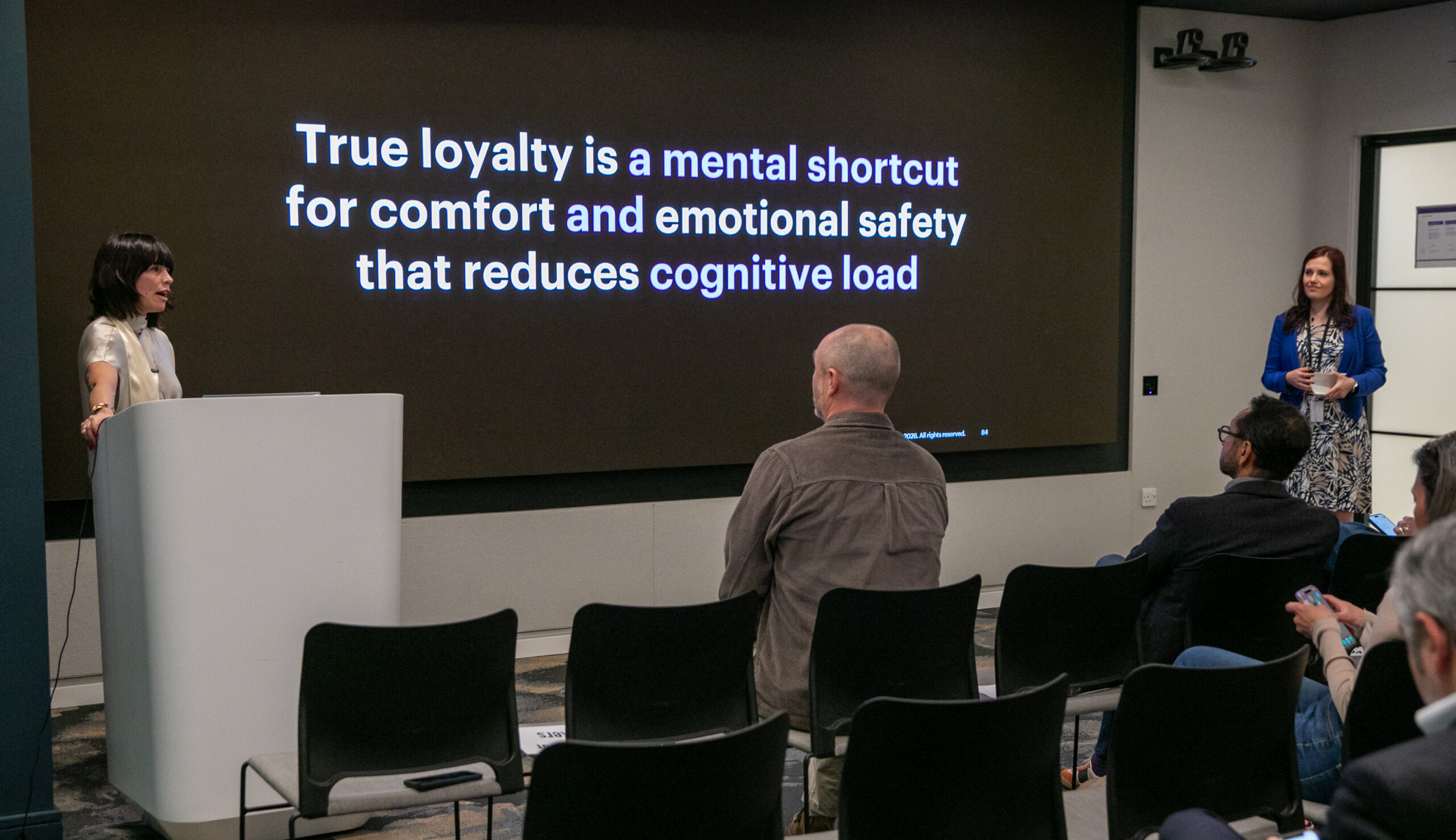
To help brands understand how to engage with what’s beneath the surface and break the existing lineal models around loyalty, Andreea and Cristina posed three core truths:
1. The Reward
Loyalty is associated with reward systems in the brain, but it can’t be built on incentives alone. We need to go deeper, building brands that are easy to process and identify, and that tap into fundamental human needs like simplicity, autonomy and belonging.
2. The Habit
Loyalty makes the brain more efficient. Loyal choice is almost automatic, while disloyalty requires deliberation and more cognitive effort. Importantly, our brains emotionally encode behaviours to reinforce the habit loop, and this presents brands with opportunity to create a relationship. When designing loyalty, brands need to work with, not against, the invisible forces that create habit.
3. The Feel
Emotion should be the engine of loyalty. While AI brings huge advances, there’s a real risk we lose the human side – and with it, the emotional drivers of long-term loyalty. It’s vital to test, test and test again when deploying AI to avoid alienating humans.
These are not three separate strategies, but interlocking systems that great loyalty design taps into. Cristina closed by defining true loyalty as a mental shortcut for comfort and emotional safety that reduces cognitive load. It is your customer’s brain saying, “I don’t need to think about this. I know. I trust. I belong.”
Coming full circle, she reiterated that brand loyalty is reminiscent of true love because it requires ongoing effort, it is contingent on experience, it can fade. And because when it is deep and genuine, it is one of the most powerful forces in any business.
Getting loyalty just right
Next, we welcomed TMW’s Chief Strategy Officer Dan Bowers to the stage. Setting the scene with Goldilocks’ dilemma, Dan introduced his talk about how brands can get loyalty just right to create worlds that people want to be a part of.
While the loyalty market is growing annually by 14.6%, brands are unable to realise its huge potential. In fact, 67% of consumers are feeling less loyal to brands. Echoing Cristina and Andreea, Dan made clear that the stakes are high because loyalty has to be earned again and again. Put one foot wrong and you’re out.
To navigate this environment, brands look for more certainty and control. CEOs seek faster returns on their investments, so naturally, they reach for technology that offers smart solutions, embracing the promise of:
- More personalisation
- More automation
- More optimisation and efficiency
But over-rely on this, and you have a problem – with loyalty programmes too narrowly designed around short-term performance metrics. This is the trap brands fall into, becoming too heavy on mechanics and too light on meaning. The experience for consumers becomes systematic and perfectly optimised but, simultaneously, completely forgettable.
The big players in loyalty understand this and consistently push to make people feel something. Whether that’s feeling recognised, smart, in control, or looked after, Dan argued that the absolute worst thing that brands could do is let automation replace emotion. Loyalty is at its best when it feels like entering a world that you want to stay in, not just because there are incentives to do so.
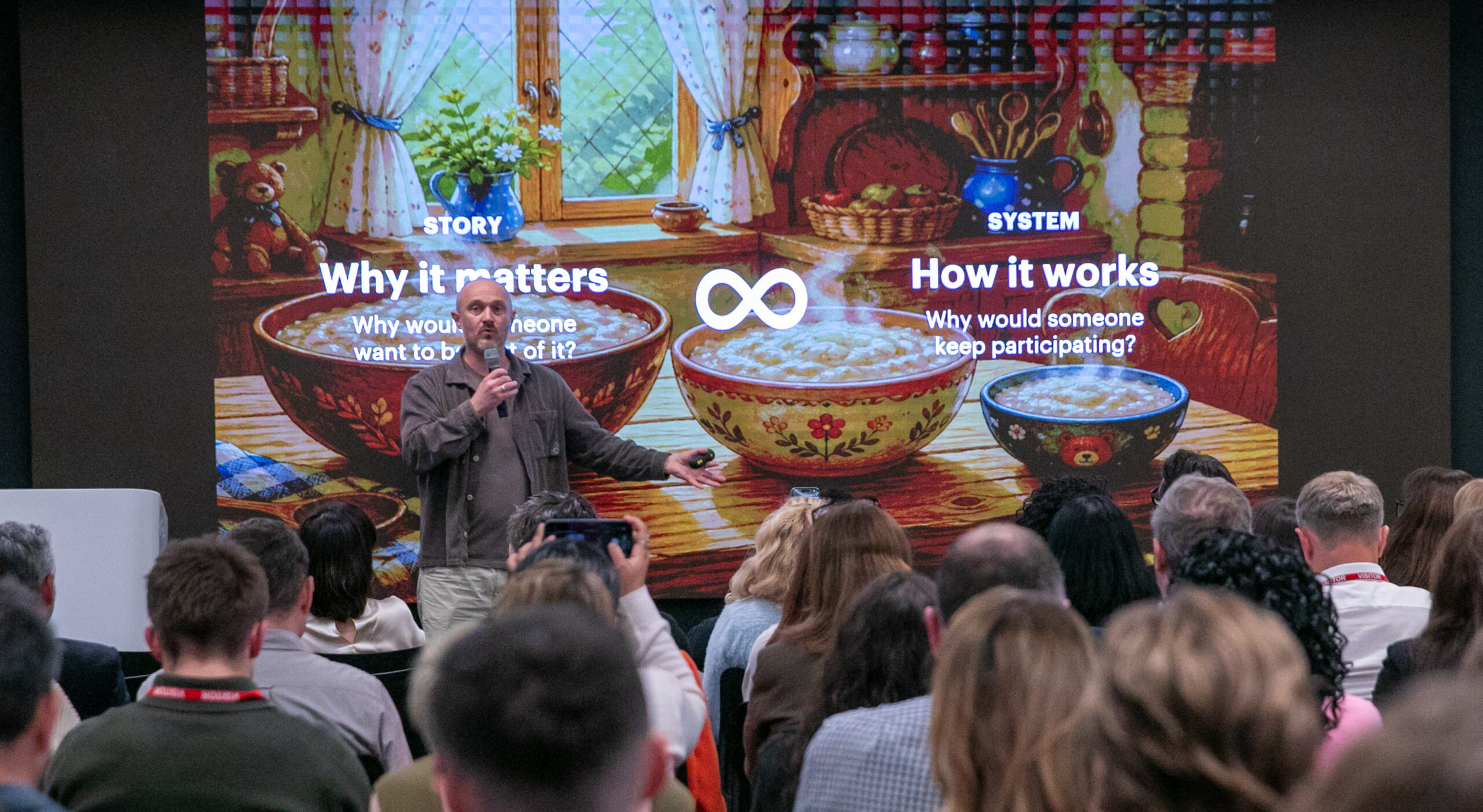
And to create great worlds, brands need to be in the Goldilocks zone. Building worlds with rules, structure and logic, but not forgetting to layer in meaning, identity and emotion. They need the perfect blend of story and system.
“A story that customers want to be a part of, and a system that rewards them for staying in it.”
Dan Bowers
Chief Strategy Officer, TMW, part of Accenture Song
The challenge then becomes; how can we get the just right blend of scale without losing the human aspect. The answer again lies in a deeper understanding of the emotional needs, moments, and drivers that really matter. Utilising AI but in a way that scales emotional intelligence.
Dan closed with a call to his own three core truths, or three rules around getting loyalty just right:
1. Design for how it feels, not just how it works
2. Use technology to scale emotion, not replace it
3. Build worlds people want to stay in
Loyal until the end
This year’s BrainyBar made one thing clear: in a world where AI can do almost anything, understanding people and how they feel becomes the rarest skill. Loyalty is emotional, ritualistic and deeply human. It’s a story that brands must choose to tell again and again. Only then will their customers truly listen.
If you’d like to unpack this further for your brand specifically, get in touch with Dr Cristina de Balanzo.

More Insights






















Exploring attitudes towards debt policies supporting people who are struggling with debt burden in Britian – March 2024


It drew me in… Christmas advertising is not only about storytelling, it is about the story of us as humans





























NEWSLETTER
Sign up for the latest treats straight to your inbox