Brainy Bar: Sharing the Secrets of Storytelling
29th July 2025
Walnut Unlimited

LET ME TELL YOU A STORY
When it comes to shaping our beliefs, connecting to fellow human beings, and even understanding the world around us, storytelling is front and centre. In fact, the sheer reach and power of storytelling is (ironically) hard to translate into words. But this shouldn’t stop us trying.
And that’s exactly what we did at this year’s 10th anniversary edition of our long-running event series, Brainy Bar. Gathering leading minds from across the neuroscience, advertising and creative industries, our event offered food for thought for brands and marketers alike.
The event kicked off with presentations from our host Dr Cristina de Balanzo, Professor of Neuroscience at UCL, Dr Guido Orgs, and advertising legend Paul Feldwick – check out the highlights HERE.
We closed the night with an exclusive panel featuring Tracey Neis, Senior Director at PepsiCo, Aviva’s Head of Brand Campaigns Charlotte Nairne-Clark, and CSO at Droga5 Will Hodge. Read on to catch up on their insight-rich discussion.
WHAT MAKES STORIES STICK? WHAT KIND OF NARRATIVES CAN EMOTIONALLY CONNECT WITH PEOPLE?
Charlotte: Financial services is not one of the most loved categories out there – we don’t have positive associations all the time. Our products can be confusing, complicated, and serious. So that’s a challenge for us, but it’s also something we are leaning into.
The industry is fundamental to all our lives – our CEO always says that “the world wouldn’t exist without insurance.” We want to change the narrative to make it a world where people can thrive and have positive experiences. So for us, personal relevance, tone, talking about the industry and the products in a positive light and context are very important.
Tracey: Empathy is an important game in storytelling. I believe you need to uncover the deepest, darkest fears that your consumers aren’t talking about, which sounds scary and uncomfortable. But we’re not going to tell the story there. We can tell a story about the great lengths that a human will go to avoid that deep, dark fear sitting in the back of their minds. And that’s where the gold is. Because that’s when you can expose the crazy, the whimsical, the irrational – and make your audience feel like you really understand them.
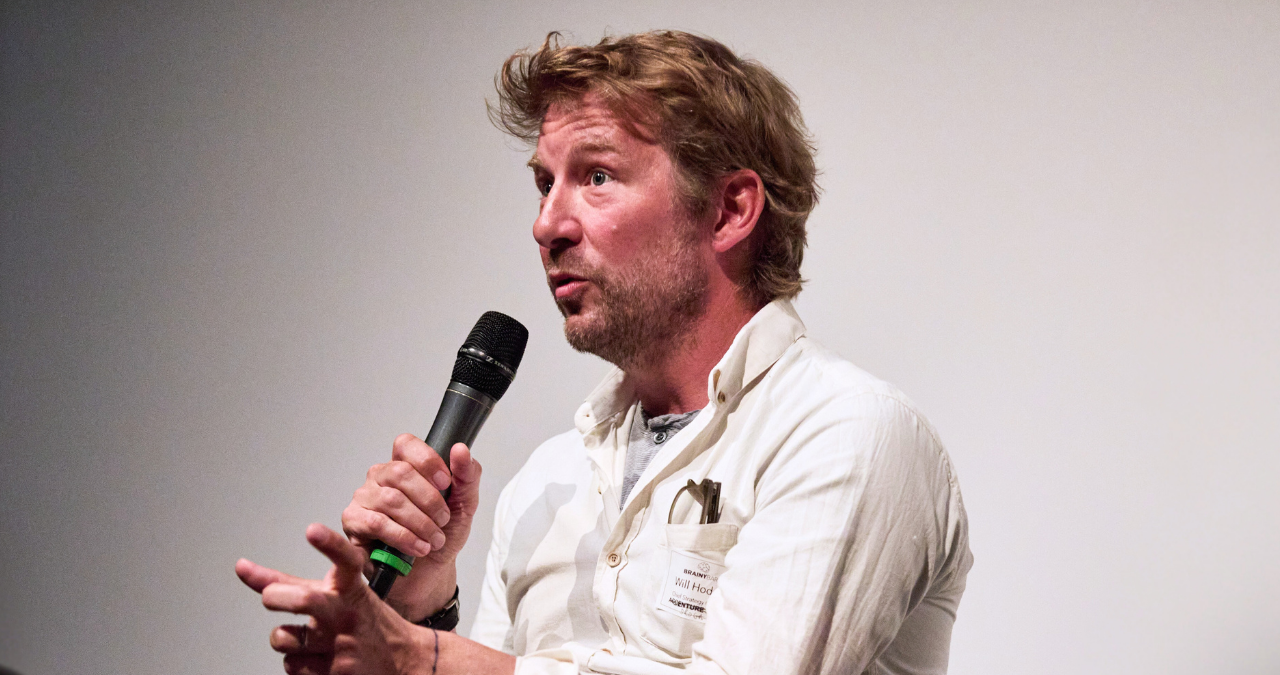
Will: I think we all have an infinite number of stories in us, and there are an infinite number of stories in the world, but it makes me a bit sad that so few of them stick these days. The power of a story is a simple narrative that has meaning and emotion. But the truth is, we don’t go deep enough into the meaning, the emotion, the deepest, darkest fears as Tracey said.
We’ve got an amazing responsibility as brand owners, marketers and creative people to understand where the stories live. Our job is to find the most beautiful, wonderful, surprising ways to express them. Mining that richness of human emotion ensures that stories stick – whether it’s curiosity, excitement, defiance, pride, guilt. Whatever it might be, it’s up to us to lay it bare.
IS CLARITY AND LINEARITY ALWAYS THE GOAL WITH STORYTELLING, OR CAN WE BE MORE DISRUPTIVE?
Will: The landscape has changed so much. As an agency, you used to be given a brief, and the distribution would be predetermined. You would create a TV ad that does X and Y for a brand. You’d write a lovely, sticky, emotional, and linear story and have it land in that way.
But these days, given that our attention is shattered every minute by so many platforms and bits of content, you can’t be sure that your story won’t be fragmented. So, what we’re thinking creatively about is stories that can generate their own distribution. Stories that others can carry for us and complete, looking at using different touchpoints to tell stories that are layered, sequential, and varied. They need to be consistent and clear but not linear in the way that we used to understand.
Tracey: Maybe it’s the way that PepsiCo is structured but I always think about clarity and what gets in the way of landing a clear message to a consumer. What are you doing to the memory structures of your audience if you’re changing how you show up according to the economy?
If you’re trying to provide a disruptive message, you can’t turn up as a different brand. You need to be the same brand, just saying something different and new. Otherwise, it’s just a cognitive overload for the consumer.
Take Walkers as an example, they’ve been running the same campaign for the past five years. All based on the incredibly simple and human insight that people put crisps in their sandwich. One ritual that they have built multiple different offshoots of the same story on. And it works because people can see themselves in that story, can connect to it.
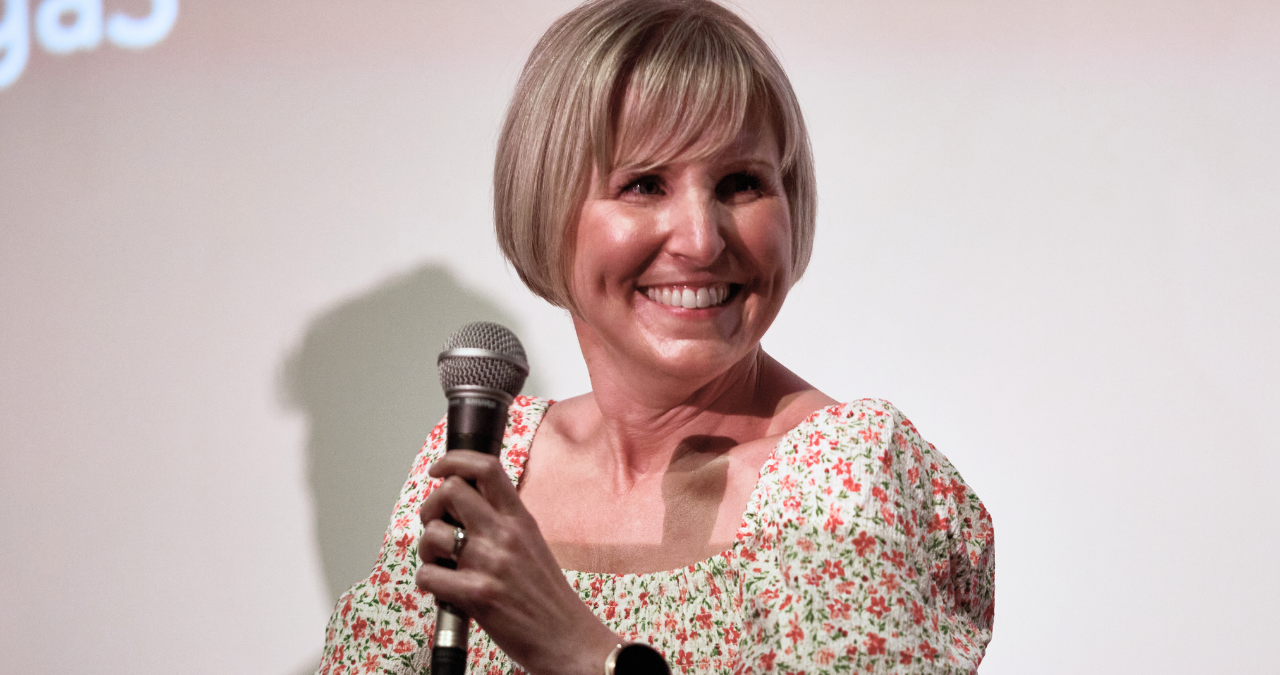
Charlotte: We exist in a very ambiguous world in finance, and we’ve built a story on that. It’s a truism that people find our products confusing, so we ran with the idea that the financial world is quite puzzling. We built a financial puzzle that people can solve because we knew that our audience is confident, smart, and gets satisfaction from figuring something out independently.
We put puzzles on people’s phones, placed them in newspapers, and got very high engagement from the campaign. It’s all about offering that continuity, about building and layering a story for people.
IF AUDIENCES ARE NOW CO-CREATING THE STORIES, IS IT LIBERATING OR LIMITING?
Will: We’re currently doing an exercise of looking into a particular category and looking at the marketing and content created around that category. And there’s an astonishing thing happening where almost all the content that we’re seeing – whether it’s paper, advertising, or social content – has got the same commentary around it. Naturally, people are asking if it’s real or AI-generated.
The truth is, we’re at the beginning of a tsunami of stories being created by GenAI that carry our brands and our ideas. And we don’t have much control over it – people won’t know whether it comes genuinely from the brand, whether it’s credible and can be trusted or not. So, I’m a bit fearful, but I do think it puts more of an onus on us to define our brand stories and be more generous in how we share them, asking our audiences to be involved.
Tracey: You can’t control anything by any means, but a good example of this comes from our US team on Doritos. For several years, they have relinquished control over the Super Bowl, briefing the public to come up with their own Doritos campaign. This way, they invite the audience to engage but also return something distinctive that’s still on brand.
Because there’s a reward involved, the winners this year even did their own PR for the campaign. So, we ended up with a ready-made ad, a tonne of free earned media, and creators that are desperate to lift up your brand. What a self-generating reward that is! After all, brands belong to people, right?
Charlotte: For me, brands have always existed in the minds of people. Right now, that’s just more visible and so more marketers are looking to control the narrative. I think we’ve always needed to be really clear on our brand stories, helping other people to talk about them in a positive light.
Consumers have always had more control than we give them credit for. In every threat, there’s an opportunity to be found. But I know that many brands are stepping back because the public voice is so strong and they are desperate to remain authentic. That’s how you get respect in the long term, so there’s opportunity to be brave, but I agree that it can be scary.

CAN STORIES STILL SURPRISE?
Tracey: The short answer is yes. The long answer taps more into what happens when you’re trying to surprise too much and stepping out of the stories you’re expected to tell in a negative way. It’s happened at PepsiCo – I’m sure we all know which campaign I’m talking about.
You have to be consistent in your brand identity, otherwise it will fall flat. If you’re selling boldness and self-expression and consumers believe it, you can tell bold stories of self-expression. But if that’s not your brand, stepping outside of the category you’re bound up in can be disastrous. And COVID was a perfect example – with brands losing their tonality, getting serious, trying to be something they’re not and selling messages that were not congruent.
I guess what you should start with is ask: what would the naysayers respond to your idea? Think about it through the lens of what somebody really negative would say and whether that’s a risk you’re willing to lean into and understand. Don’t go in blind.
Will: We’ve got to surprise. I totally agree that we need to work hard to define those core stories of our brands, but the harder we work there, the more surprising we’ve got to be. We should certainly look into how the end output will impact and in what way it will surprise.
Though I do believe that brands should be pursuing change – as they reflect our society, they can change the things about our society that we don’t like. But as with everything there are limits. You should never try to surprise at the cost of losing who you are and what you stand for as a brand.
Charlotte: Surprise is only one potential outcome of a good story. For example, are you being surprised within the familiar? Specsavers, Ryanair on social media, even the John Lewis Christmas ad. I’ve come to expect something from each of these brands, but they still manage to surprise me every time. So, I don’t think we should be wary of familiarity.
Having said that, there’s power in unexpectedness. With Aviva, we made a risky decision last year to run a TV ad in December. We’ve never done this before as didn’t think we could compete with all the Christmas sentiment out there. But we landed on an insight that people actually do talk about finances over the holiday period and, more importantly, they talk and think about them in a positive light as they tend to be thinking of others before themselves at that time of year. So, we launched an ad about intergenerational family businesses, which scored a huge uptick in share of voice versus our competitors. The bold decision paid off.
GIVE US ONE FINAL THOUGHT ON THE FUTURE OF STORYTELLING.
Will: I think it’s about building and writing stories that are interesting enough that other people want to steal them. For other people to want to take hold of them, carry them, and share them.
Charlotte: In a world of algorithms, emotional storytelling is possibly one of the best ways to differentiate. Data is great, obviously, but emotional storytelling is the thing that people will remember about the brand.
Tracey: As the insight person on the panel, of course I’m going to say become obsessed with your consumer. Listen to everything they’re saying like you actually care. Listen to people who are different from you – take their story, embellish, and pass it on. I don’t think you can be inspired unless you’ve had a conversation with your polar opposite and realise how similar and different you are at the same time.
CURIOUS TO KNOW MORE?
If our Brainy Bar panel whets your appetite to further explore the science and art behind storytelling, get in touch with our host Dr Cristina de Balanzo.

More Insights

























Exploring attitudes towards debt policies supporting people who are struggling with debt burden in Britian – March 2024


It drew me in… Christmas advertising is not only about storytelling, it is about the story of us as humans




































NEWSLETTER
Sign up for the latest treats straight to your inbox